
Imagine for a moment that you are in the automobile manufacturing business. You have a long-term contract with the biggest analyst firm in the world. You rely on the analyst firm to give you insights into sectors like battery technology. But that analyst firm cannot be bothered to track startups, it only tracks vendors with more than $50 million in revenue. In batteries that means Clarios, Exide, GS Yuasa, East Penn, and EnerSys, plus a handful of Chinese manufacturers.
Clarios is the latest incarnation of Johnson Controls’ old battery division. I know them because I worked at the seating division in the ‘80s. Back then I thought JCI faced a gigantic risk. A single innovation could wipe out the entire market for lead acid batteries overnight.
It is a full time job for an industry analyst to keep track of the dozen or so vendors they track. But how can analysts answer questions about the future of their sector without researching the innovators in their space. In battery technology there are hundreds of startups to track, including: Lyten, QuantumScape, Sila, Group14, Amprius, Factorial, Form Energy, EnerVenue, Redwood Materials, Ascend Elements, Mitra Chem, Addionics, TWAICE, Lilac Solutions, and EnergyX.
Bringing us back to information technology, let’s look at the cybersecurity space. Right now the space is being reinvented in real-time. Large vendors that are definitely tracked by the likes of Forrester and Gartner are all messaging around AI. But which of them has the track record of rapid innovation coupled with execution to be the trend setters in AI Security? I would argue that none of them do.
As of this morning we track 469 AI-first vendors of cybersecurity. That is an astounding number. It’s 10% of the entire industry already. And by track I mean we monitor every investment, product announcement, and acquisition. We also track headcount for each. We look for signals in the data to guide our research. Our subscribers use our data to winnow out those signals for their own needs.
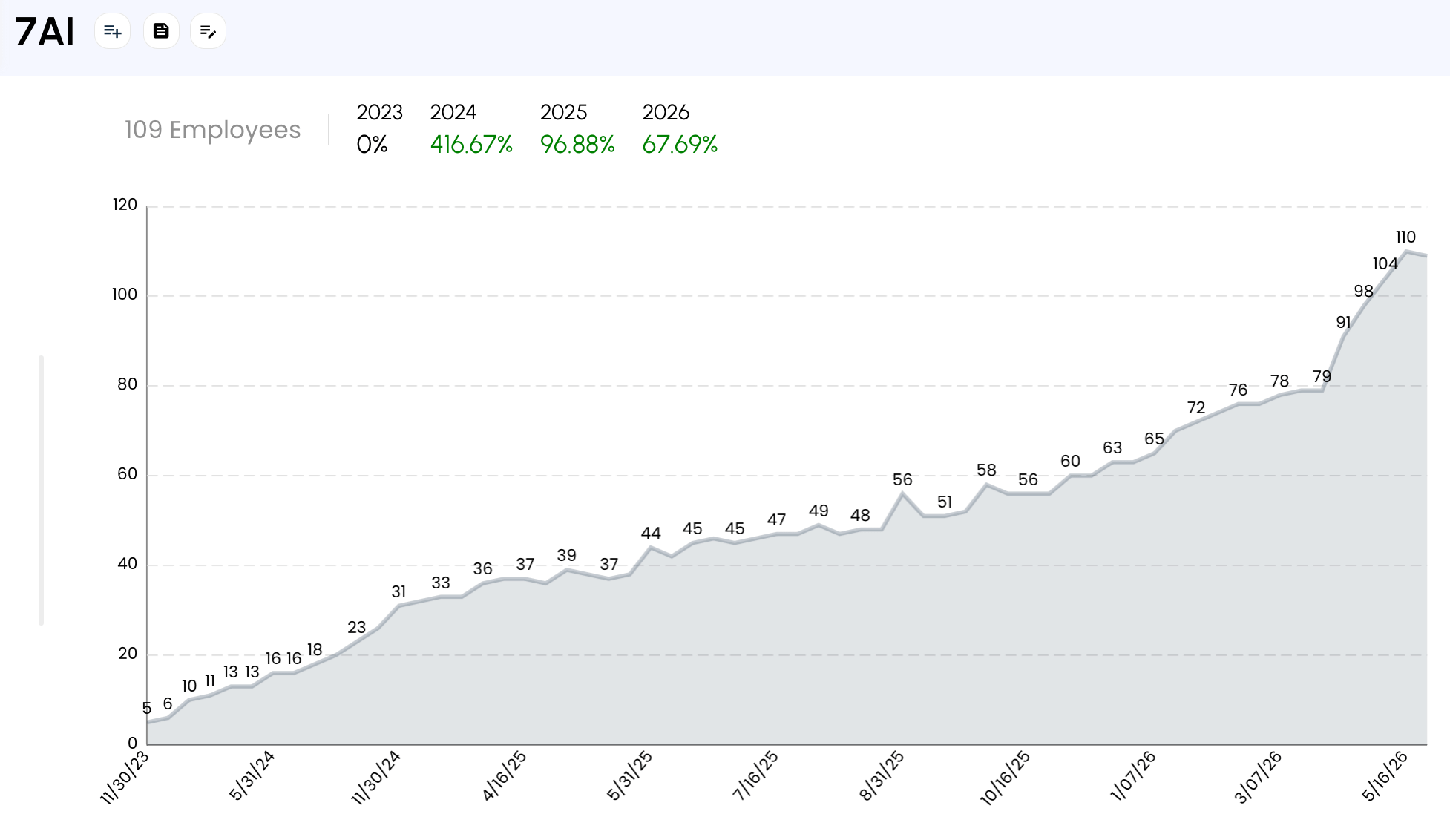
Here is the headcount chart for SOC Automation platform 7AI
Now look at AI pentesting company XBOW:
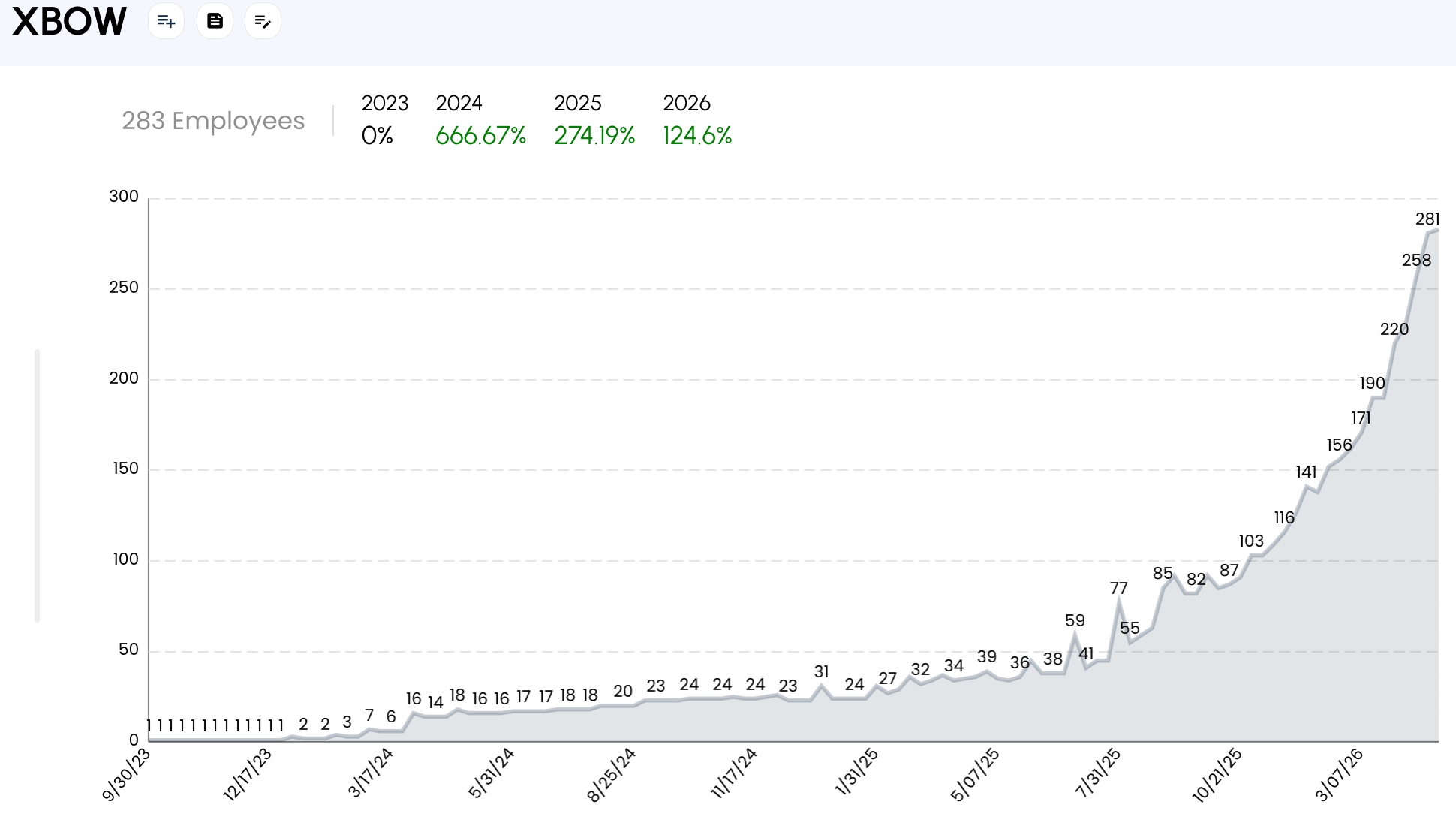
Is penetration testing being automated faster than the SOC? Which of these two is likely to get acquired first? Which competitors in these two spaces are doing as well or better? For that matter, what’s the overall growth in all the subcategories?
I am arguing that you need to collect a lot of data to answer those questions. An analyst cannot do that by taking briefings from a slice of the market. How would they even decide which vendors should get a briefing?
IT-Harvest is a four person team. We have been working on tracking the entire cybersecurity industry for the last four years. Today we track 4,092 companies and their 11,000+ products. Access to our platform give you complete visibility into what each of these vendors is doing. You can do key word searches on products, far surpassing the utility of a Google Search or a Magic Quadrant limited to ten or twelve big vendors.
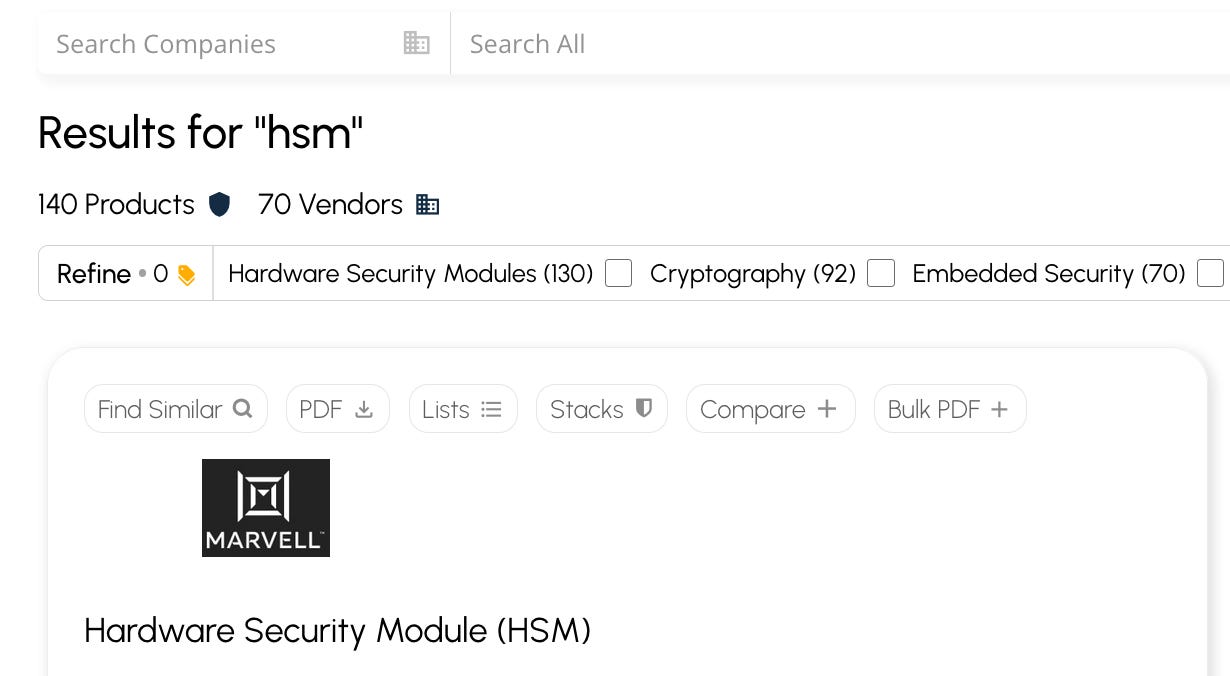
Go ahead and do a Google search on “HSM”. The first three hits are for High School Musical. No vendors appear at all. The 2nd page of results only surfaces Yubico’s HSM. Do the same search in our platform. You may be surprised to learn that there are 140 HSMs available from 70 different vendors.
The current thinking is that analyst firms should take all of their research reports and stuff them into a (RAG) Retrieval-Augmented Generation tool to allow their clients to have conversations with their reports. That is not helpful.
To be an AI-first analyst firm I maintain you must be data-first. Put AI to work to find, collate, and automate data collection. With a platform populated with data you have superpowers for analyzing any industry.
Want to see the future of industry analysis? Reach out today to schedule a demo.